Skip to content


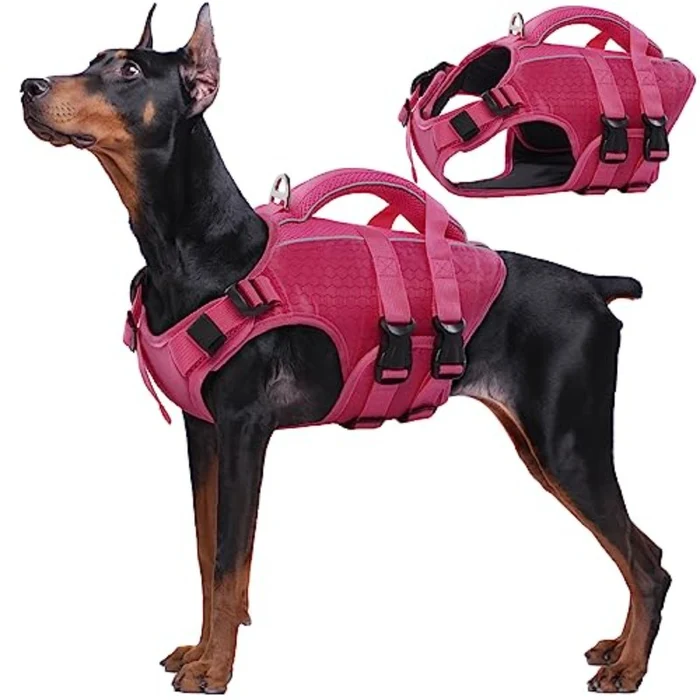
Dogs can benefit from a properly fitted life jacket during swimming and boating, including dogs that already swim confidently. However, flotation equipment is only one part of water safety. It does not replace supervision, an appropriate location, or a plan for getting your dog out of the water.
Why Swimming Ability Is Not the Whole Picture
A familiar pool and an unfamiliar shoreline present different challenges. Swimming ability alone does not tell you how your dog will respond to fatigue, changing conditions, or an unexpected fall from a boat.
The American Kennel Club’s water safety guidance recommends appropriate flotation equipment and preparation for dogs around water.
Prepare for the Place You Are Visiting
At a Pool
Keep access controlled when swimming is not planned. During an outing, supervise actively and make sure your dog has a practical way to leave the water. The American Red Cross advises against leaving pets unsupervised around pools, noting that not all pets swim well.
At a Lake, River, or Beach
Check local warnings and conditions before approaching the water. Currents, waves, underwater obstacles, and sudden changes in depth can make natural water more challenging than a pool. These are hazards highlighted in the Red Cross guide to lakes and rivers.
Choose another activity when conditions are unsuitable. Wearing a life jacket is not a reason to enter hazardous water.
On a Boat or Paddleboard
Plan how your dog will board, rest, and return to a stable surface. Before departure, discuss who will supervise the dog and how assistance would work if the dog enters the water unexpectedly.
Check the equipment instructions in advance. Do not assume a jacket’s handle is approved to lift your dog’s full body weight.
Introduce Water Gradually
Let your dog become comfortable with the equipment on land first. Keep initial water experiences calm and brief, and allow your dog to approach voluntarily.
Do not throw or push a reluctant dog into the water. The AKC’s introduction to swimming explains why swimming ability varies and why a gradual, supported approach matters.
If your dog is worried or struggling, end the session rather than trying to complete a planned distance or duration.
A Practical Checklist Before You Leave
- Check local access rules, weather, and water advisories.
- Inspect the jacket and follow its fitting instructions.
- Identify an easy entry and exit point.
- Agree on who will watch the dog throughout the activity.
- Bring drinking water and arrange rest breaks and shade.
- Keep your phone and relevant emergency contact details accessible.
Fresh drinking water and shade are also part of hot-weather care, as explained in the Red Cross pet heat safety guidance.
Frequently Asked Questions
Does a strong swimmer still need a life jacket?
Swimming confidence does not eliminate unexpected difficulties. Consider the activity and conditions, and use suitable flotation as part of your preparation.
Can I leave my dog alone if they are wearing one?
No. A life jacket does not replace active supervision or prevent every water-related emergency.
Should every dog be encouraged to swim?
No. Some dogs do not enjoy swimming, and others may have health or mobility concerns. Choose activities suited to your dog and ask your veterinarian when you are unsure whether swimming is appropriate.
Choose Equipment Before the Outing
Browse Eagerlive dog life jackets and vests, check the individual product’s specifications, and allow time to confirm the fit before your trip. Preparation should happen before reaching the water.